

Winning Strategies for Sharper Table Play
Table games create a particular kind of confidence. We noticed it during our Roospin Casino testing sessions: after a few decent blackjack hands or a roulette number landing close to a recent pick, it is very easy to feel that the table is starting to make sense. Sometimes it does feel that way. Still, a casino table is not a puzzle that gradually reveals a guaranteed answer. It is a betting environment, and the clearest strategy is usually less glamorous than players hope.
We checked the browser version and the Roospin App experience with the same question in mind: what actually helps a player make calmer, more sensible table-game decisions, and what merely sounds strategic? Our shared impression was that practical discipline matters far more than lucky rituals. That may sound obvious, but it becomes less obvious after several rounds, particularly when stakes begin to rise.
What strategy can genuinely do
The word “strategy” is often used too broadly. In blackjack, it can mean following basic strategy charts. In baccarat, it may mean choosing the statistically stronger side and avoiding unnecessary side bets. In roulette, it often means managing stake size rather than predicting where the ball will land. These are very different things, and mixing them together creates confusion.
What helped in our tests was using strategy as a decision filter. Before placing a bet, we asked simple questions: is this wager understandable, is its payout clear, and does it fit the money set aside for this session? That approach is not exciting, perhaps, but it reduced the urge to improvise after a loss.
We also found that learning the published rules matters. A blackjack table with different dealer rules, for example, may slightly alter the mathematical picture. Roulette layouts can look nearly identical while offering different zero rules. The details are not decorative. They are part of the game.
Skill is useful, certainty is not
Blackjack is the clearest example of a table game where player choices can matter. A sensible basic strategy reduces avoidable mistakes over many hands. It does not mean every correct move wins. We saw perfectly reasonable doubles lose and questionable-looking hands survive. That is the normal friction of probability.
A useful distinction is between a house edge and a short-term result. The first is a long-run property of the game; the second can be noisy, strange, and occasionally very flattering. Confusing the two is where many “winning systems” get their appeal.
Building a usable bankroll plan
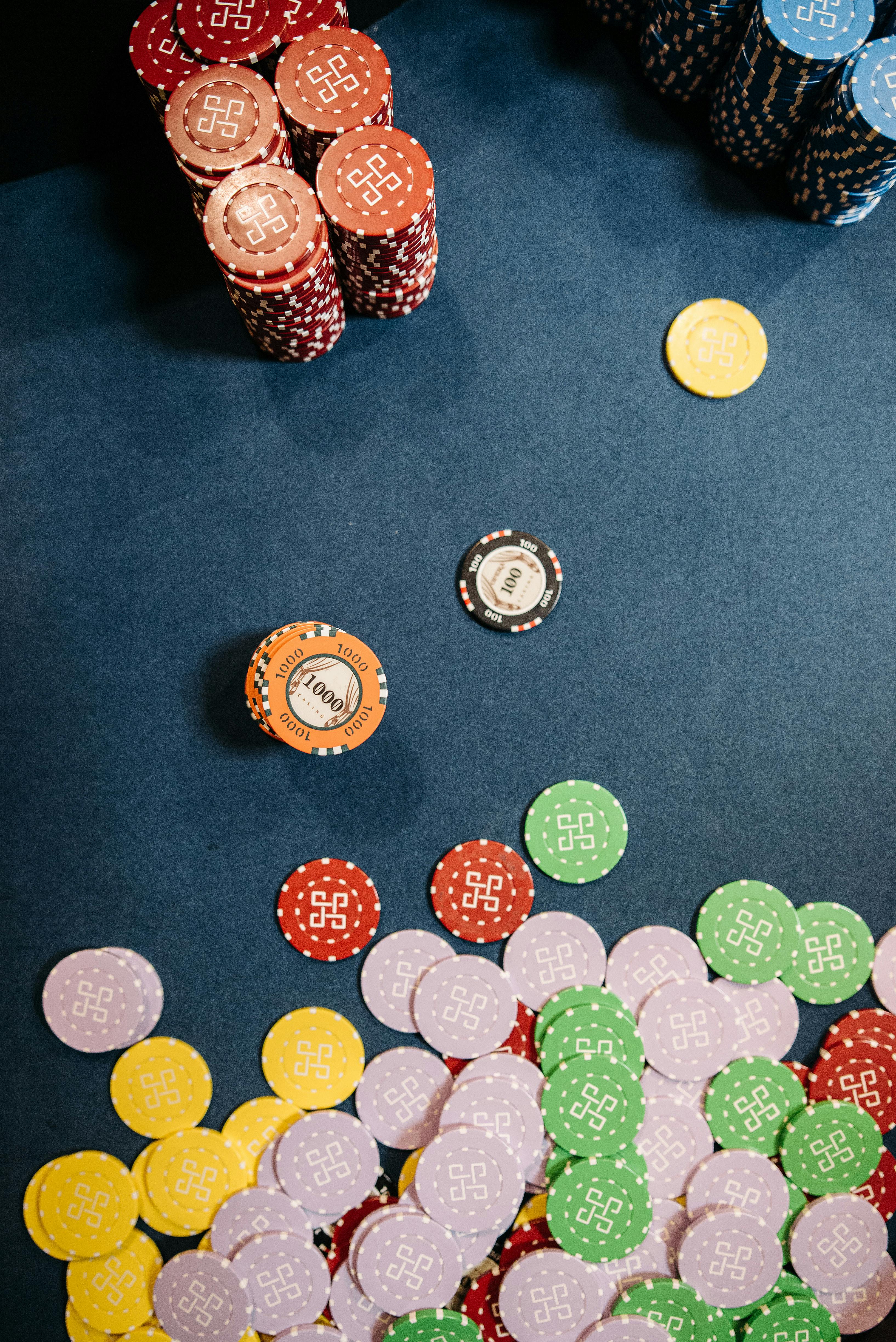
Bankroll management did not make us expect a profit. It did something more realistic: it gave each session a boundary. Without one, a player can treat every loss as an unfinished argument with the game. That is often when a modest casino visit becomes expensive and frustrating.
We preferred a fixed session budget that was separate from essential spending. Then we divided it into smaller betting units. The exact amount will vary widely, but the principle is stable. If a typical stake is too large compared with the total budget, a short losing stretch can end the session before there is time to enjoy it.
| Planning point | A measured approach | Common trap |
|---|---|---|
| Session budget | Set it before logging in | Adding funds to chase a loss |
| Bet size | Keep stakes modest versus the total | Using large bets for “fast recovery” |
| Time limit | Choose a finish point in advance | Playing until emotions take over |
Stopping is a strategy too. We think it deserves more attention than it gets. A preset loss limit is not a prediction that losses will happen, it is an agreement with yourself about what happens if they do. A modest win target can be useful as well, though it should not become another reason to make increasingly risky bets.
The myths we kept encountering
Some table-game myths are harmless little habits. Others can quietly encourage poor decisions. During our comparison, we found that the most persistent ones tended to be based on the idea that random results somehow owe the player a correction. They do not, even if a sequence looks absurdly one-sided.
- “A losing streak means a win is due.” Each new round is normally independent of the previous one.
- “Doubling after losses guarantees recovery.” It can require very large stakes surprisingly quickly.
- “A hot dealer or table should be followed.” Past outcomes do not create a reliable signal for the next hand.
- “Side bets are a clever shortcut.” They may be entertaining, but often carry a higher house advantage.
The martingale system was the example we discussed most. Its logic feels tidy: lose, double, then recover the earlier losses with one win. The problem is that real bankrolls are limited, and so are table limits. A losing run does not need to be especially dramatic before the next required stake becomes uncomfortable. It is a system that appears smooth until it suddenly is not.
Choosing the right table game
There is no universally best game because enjoyment matters as well as percentages. Still, players who want to be more deliberate should compare the basic structure before playing. We found that simple bets were easier to track and made the session feel less rushed. Complex betting boards can be enjoyable, but they also make it easier to lose sight of total exposure.
| Game type | What we liked strategically | What to watch |
|---|---|---|
| Blackjack | Clear decision framework through basic strategy | Rule variations and rushed choices |
| European roulette | Straightforward layout and stake control | Treating patterns as predictions |
| Baccarat | Simple core choices, low decision pressure | Extra side bets and commission details |
Our measured preference was to start with the rule set rather than the visual presentation. In roulette, for instance, choosing a single-zero version rather than a double-zero alternative can matter more than any color-based staking pattern. That is not a secret method. It is simply selecting a more favorable format where available.
A calmer session routine
The best routine we tested was short enough to remember. Long plans tend to disappear the moment a game becomes exciting. Before a session, we checked balance, decided the stake range, and agreed on a stop point. During play, we paused after noticeable swings rather than instantly placing another wager.
Keep the entertainment part visible
There is a mild contradiction here. More structure can make gambling feel less spontaneous, yet it often made our sessions more enjoyable. We were not constantly doing mental arithmetic or trying to recover a result. The game remained a game. If the mood changed from entertainment to irritation, that was usually the clearest signal to stop.
Conclusion
Conclusion: after testing the practical side of Roospin Casino table play, we found that useful strategy is mostly about clarity. Learn the rules, compare game formats, use affordable stakes, and set limits before the first bet. Myths about streaks, guaranteed recovery, and hidden patterns can feel persuasive in the moment, but they do not change the underlying odds. A sharp player is not the one who claims to predict every outcome. It is the one who keeps control when the outcomes are unpredictable.


